
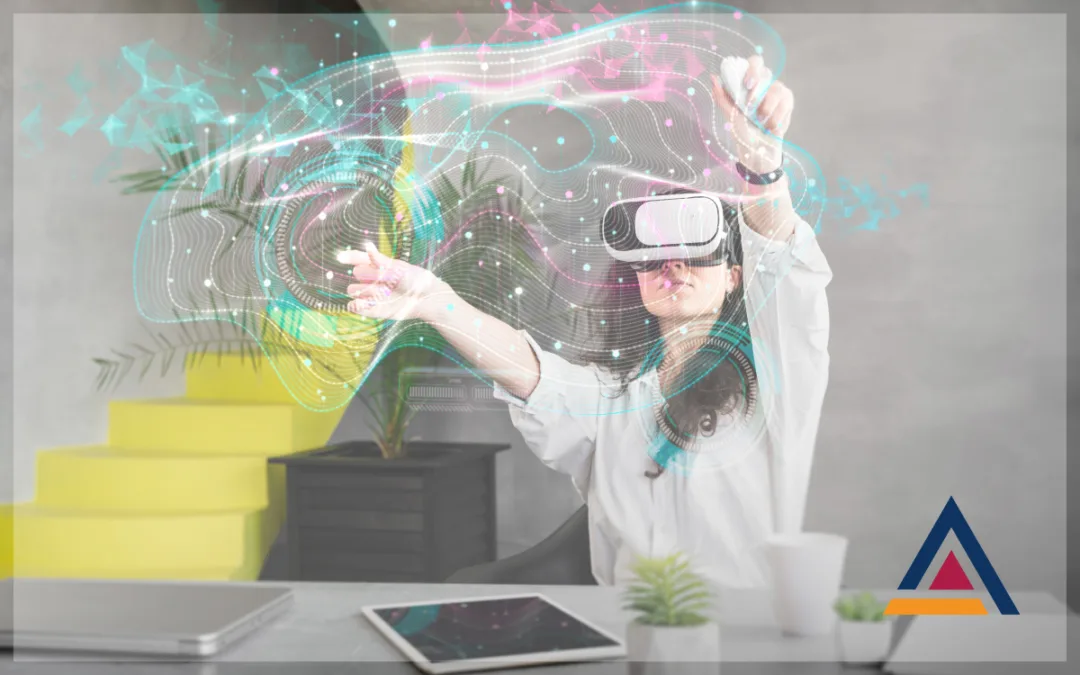
In the ever-evolving world of graphic design, where creativity meets technology, the future holds a kaleidoscope of trends and innovations that promise to transform the way we communicate visually. As the digital landscape expands and user expectations evolve, staying ahead of these emerging trends becomes imperative for designers looking to create impactful and relevant designs. In this blog, we’ll embark on a journey through the exciting realms of the future of graphic design, uncovering the trends and innovations that are set to redefine visual communication.
Minimalism 2.0
Minimalism, with its ethos of “less is more,” continues to wield its influence. However, the future brings a reinvented version. Designers are embracing refined simplicity, using the fewest elements to convey complex ideas. Whitespace gains prominence, creating elegant compositions that allow content to breathe while drawing attention to essential elements. The result? Designs that are clean, sophisticated, and impactful.
The Third Dimension
Prepare for a 3D revival that adds depth and realism to designs. 3D graphics create immersive experiences, transporting viewers into interactive and visually captivating worlds. Brands and designers alike are leveraging 3D elements to create engaging narratives, captivating audiences with visually stimulating content that bridges the gap between reality and imagination.
Motion Redefined
Motion graphics are evolving from eye-catching animations to dynamic engagement tools. Fluid animations and interactive elements infuse designs with life, transforming static visuals into captivating experiences. With storytelling in motion, designers are employing animated narratives that guide viewers through complex ideas, making content more digestible and memorable.
Sustainability as a Design Ethos
Sustainability is no longer a buzzword; it’s a guiding principle for design. Designers are incorporating eco-friendly practices into their work, from the choice of materials to visual elements that reflect sustainable values. Brands use a green visual language to express their commitment to environmental responsibility, connecting with eco-conscious audiences on a deeper level.
The Typography Renaissance
Typography becomes an artistic playground, where designers experiment with fonts, styles, and arrangements. This renaissance in typography yields expressive lettering and customized fonts that inject personality into designs. Typography goes beyond conveying words; it becomes a visual expression of the brand’s identity and a powerful means of evoking emotions.
Augmented Reality Unleashed
Augmented Reality (AR) is breaking barriers, enhancing user experiences by blending the real world with the virtual. Interactive and immersive, AR transforms how users interact with brands. Virtual try-ons revolutionize online shopping, allowing users to virtually experience products before making a purchase, bridging the gap between online and offline.
Crafting Visual Narratives
Designers are becoming storytellers, weaving visual narratives that resonate emotionally with audiences. Narrative design enhances engagement by guiding viewers through a sequence of graphics that tell a compelling story. This mastery of visual storytelling brings brands closer to their customers, fostering deeper connections through relatable content.
AI Empowers Creativity
Artificial Intelligence (AI) steps into the design realm, offering automated creativity that speeds up processes. AI-generated patterns, layouts, and elements assist designers in producing stunning visuals. Hyper-personalization takes center stage as AI customizes designs based on user preferences, delivering tailored visual experiences that resonate with individual tastes.
The Allure of Dark Mode
Dark mode aesthetics take a prominent role in design, offering an elegant and eye-friendly contrast. Beyond aesthetics, dark mode reduces eye strain and enhances readability, providing users with a comfortable and modern interface. Brands and platforms are embracing this trend, ensuring a seamless transition from light to dark themes.
The Power of Authentic Imagery
In a world craving authenticity, authentic imagery reigns supreme. Real moments captured through unfiltered photography resonate with audiences seeking genuine experiences. User-generated content finds its place as brands incorporate visuals created by their own customers, bridging the gap between brands and their communities.
Embracing the Fusion
What makes the future of graphic design even more exciting is the interplay between these trends. Minimalism complements the 3D renaissance, allowing space for immersive visuals to breathe. Motion graphics find their canvas in typography renaissance, giving expressive fonts a dynamic edge. Augmented reality weaves seamlessly into visual narratives, enhancing storytelling with interactive elements. AI-generated designs find purpose in sustainability, creating eco-friendly visuals effortlessly. Dark mode aesthetics add a touch of elegance to the authenticity of user-generated content. The synergy between these trends fuels a new era of creativity, where combinations of ideas give birth to groundbreaking designs that resonate on multiple levels.
Navigating the Design Journey
As designers navigate this landscape of trends, a few key considerations stand out. Firstly, adaptability will be key; embracing change and learning to integrate these trends will set designers apart. Secondly, a deep understanding of the target audience is essential. Each trend has a unique impact on different demographics, and tailoring designs accordingly is crucial. Moreover, staying informed and open to experimentation will be pivotal in staying ahead of the curve. Collaborations across disciplines will also play a pivotal role, as emerging technologies blur the lines between design, technology, and user experience.
A Call to Creativity
The future of graphic design is not just about aesthetics; it’s about crafting meaningful experiences that leave an imprint on hearts and minds. These trends invite designers to break free from conventions, experiment boldly, and transform their visions into reality. The canvas is limitless, and as designers, we have the privilege of painting a future that fuses innovation and artistry.
Conclusion
The future of graphic design is a tantalizing journey into uncharted territory. As trends and innovations reshape the landscape, designers have the chance to shape the visual language of tomorrow. The fusion of minimalism, 3D, motion, sustainability, typography, AR, visual narratives, AI, dark mode, and authenticity paints a canvas where creativity knows no bounds. As designers, we stand at the threshold of endless possibilities, poised to create designs that transcend pixels and touch the very essence of human connection. With each stroke of creativity, we breathe life into the future of graphic design, forging a path that celebrates innovation, resonates with authenticity, and captures the imagination of generations to come. The future is here, and it’s waiting to be designed.